
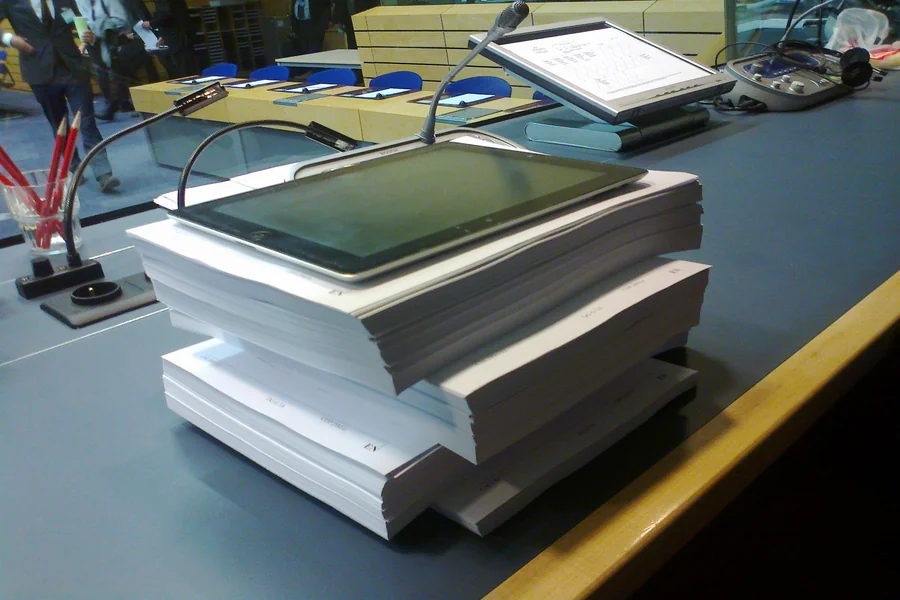
In an increasingly globalized and digitally connected world, the demand for accurate, efficient, and culturally sensitive communication across languages is greater than ever. Consecutive interpretation, long a cornerstone of multilingual communication, has evolved significantly in response to these demands. While the fundamental principles of the practice remain unchanged—listening, processing, and then rendering speech in another language—the tools used by interpreters have been revolutionized by technology.
From intelligent notetaking systems to real-time audio enhancements and remote interpretation platforms, technology is not replacing interpreters—it is empowering them. This article explores how modern tools are supporting consecutive interpretation services by enhancing precision, accessibility, and overall efficiency, while maintaining the human nuance essential to successful interpretation.
Understanding Consecutive Interpretation in Today’s Context
Before diving into the technological tools, it’s important to revisit what consecutive interpretation entails. Unlike simultaneous interpretation, where the interpreter speaks at the same time as the source speaker, consecutive interpretation involves a pause-and-translate method. The speaker talks for a short duration, then pauses while the interpreter conveys the message in the target language.
This format requires immense cognitive load management, sharp memory, and a robust system for notetaking. Interpreters often work in fields where accuracy is not just important but critical—such as legal hearings, medical consultations, diplomatic talks, and international business negotiations.
And it is precisely in these demanding environments that technology plays a transformative role.
Digital Notetaking Tools: Enhancing Memory and Accuracy
Notetaking is the backbone of effective consecutive interpretation. Interpreters must retain large chunks of spoken content, often filled with jargon or complex structures, and reproduce them with fidelity. Traditional pen-and-paper notes are still valued, but the advent of digital notetaking apps and devices has added new layers of efficiency and customization.
-
a) Tablets and Stylus Integration
Devices like iPads and Microsoft Surface tablets, paired with styluses, allow interpreters to use handwriting gestures while offering advantages like searchable notes, templates for standard symbols, and color-coding. These tools represent a form of luxury tech, blending sleek design with high performance to meet the demands of professionals who require precision and mobility. Apps like Notability, GoodNotes, or OneNote allow interpreters to toggle between multiple pages, insert voice clips, and sync their notes to cloud services for later review.
-
b) Speech-to-Text Integration
Some advanced platforms offer AI-assisted notetaking, where interpreters can input speech or have sessions recorded and transcribed in real-time. While human oversight is always essential to correct errors, these tools offer support in particularly dense or lengthy sessions.
-
c) Symbol Libraries and Shortcuts
Digital notetaking tools are often enhanced with customizable shorthand and symbol libraries. Interpreters can pre-program commonly used phrases, technical jargon, or sector-specific terminology, enabling them to jot down ideas quickly and recall them with precision.
Audio Support Systems: Boosting Clarity and Focus
Poor audio quality is one of the most disruptive elements during an interpretation session. Whether the issue is background noise, speaker accent, or volume inconsistencies, audio support technology ensures interpreters can focus on content rather than struggling to hear.
-
a) Noise-Canceling Headsets
Modern noise-canceling headsets, such as those from Bose, Sony, or Sennheiser, have become essential tools for interpreters. These devices help eliminate ambient noise, reduce listener fatigue, and ensure that every word is captured as clearly as possible.
-
b) Directional Microphones and Portable Audio Recorders
When working on-site, interpreters benefit from high-sensitivity directional microphones and portable digital recorders. These tools help capture the speaker’s voice cleanly, especially in group settings or conference halls where acoustics can be challenging.
-
c) Audio Enhancement Software
Platforms like Krisp, Cleanvoice, or Descript use AI to filter out background noise and enhance vocal frequencies. While these are more commonly used in post-production or remote settings, they are increasingly being integrated into real-time interpreting software suites.
Remote Access Platforms: Democratizing Interpretation Services
The COVID-19 pandemic significantly accelerated the adoption of remote interpretation platforms, and the trend has continued. Today, interpreters can work with clients across continents, thanks to secure video conferencing platforms tailored for language services.
-
a) Specialized Remote Interpretation Tools
Platforms like Interactio, VoiceBoxer, KUDO, and Zoom with Interpretation Add-ons are built with consecutive and simultaneous interpretation features. They allow for speaker/interpreter handoffs, real-time chat for clarification, and even document sharing—all within a single interface.
-
b) Cloud-Based Scheduling and Booking Systems
Modern interpretation services now use AI-powered booking systems that match clients with interpreters based on language, industry expertise, and availability. These tools also help automate billing, feedback collection, and compliance with data protection regulations.
-
c) Real-Time Glossary and Reference Sharing
During high-stakes events, interpreters can now receive live terminology support from a backend team. Glossaries and reference documents can be shared in real-time, ensuring the interpreter uses consistent terminology, especially in legal, medical, or technical domains.
The Human-Tech Symbiosis in Interpretation
One of the most important aspects to remember is that technology doesn’t replace interpreters—it enhances their capacity. The human interpreter still manages tone, emotion, nuance, and cultural context. But with tools that reduce mental fatigue, improve information recall, and streamline communication logistics, interpreters can focus on what matters most: ensuring accurate and empathetic human connection.
Addressing the Challenges of Tech Integration
While technology offers immense benefits, it also brings its own set of challenges for interpreters:
- Learning Curve: Not all interpreters are tech-savvy. Proper training and onboarding for new tools are essential to prevent disruptions during live sessions.
- Dependence on Internet and Power Supply: For remote interpretation, a stable internet connection and power backup are crucial. Interpreters often invest in UPS systems, mobile hotspots, and redundant devices.
- Data Security and Privacy: Interpretation often involves sensitive information. Tools used must be compliant with regulations like GDPR or HIPAA, especially in healthcare and legal contexts.
Future Trends: AI, Augmented Reality, and Beyond
As we look ahead, several emerging technologies are poised to further transform consecutive interpretation services:
- AI-powered Real-time Support: While AI cannot interpret with human nuance, it can offer live glossary lookups, speech pattern analysis, and even flag potential errors.
- Augmented Reality (AR): In hybrid or in-person scenarios, AR could allow interpreters to see visual prompts, glossaries, or speaker notes in real-time, without breaking eye contact or looking away from the speaker.
- Blockchain for Session Integrity: Particularly in legal or contractual settings, blockchain can be used to timestamp and validate interpretations, providing transparent and tamper-proof records.
Final Thoughts: A New Era for Consecutive Interpretation
Consecutive interpretation is no longer limited to mental memory and notepads. Today’s interpreters are empowered by a suite of tools that enhance their speed, accuracy, and confidence. Whether it’s taking notes with a smart stylus, improving sound quality with advanced audio gear, or interpreting remotely from another continent—technology is helping interpreters bridge not just linguistic but logistical barriers.
Yet, even in this tech-forward era, the role of the human interpreter remains irreplaceable. Empathy, cultural sensitivity, contextual awareness, and the ability to adapt in real-time are deeply human skills that machines have yet to master.
As we continue to innovate, the future of consecutive interpretation will rely on a synergistic blend of technology and human intelligence—delivering not just words, but understanding, across every border.